MOTM Online Training Course: Reflections on Safety, Inclusion and Impact
6.3.2026
By Costanza Campiti, Mentor on the Move
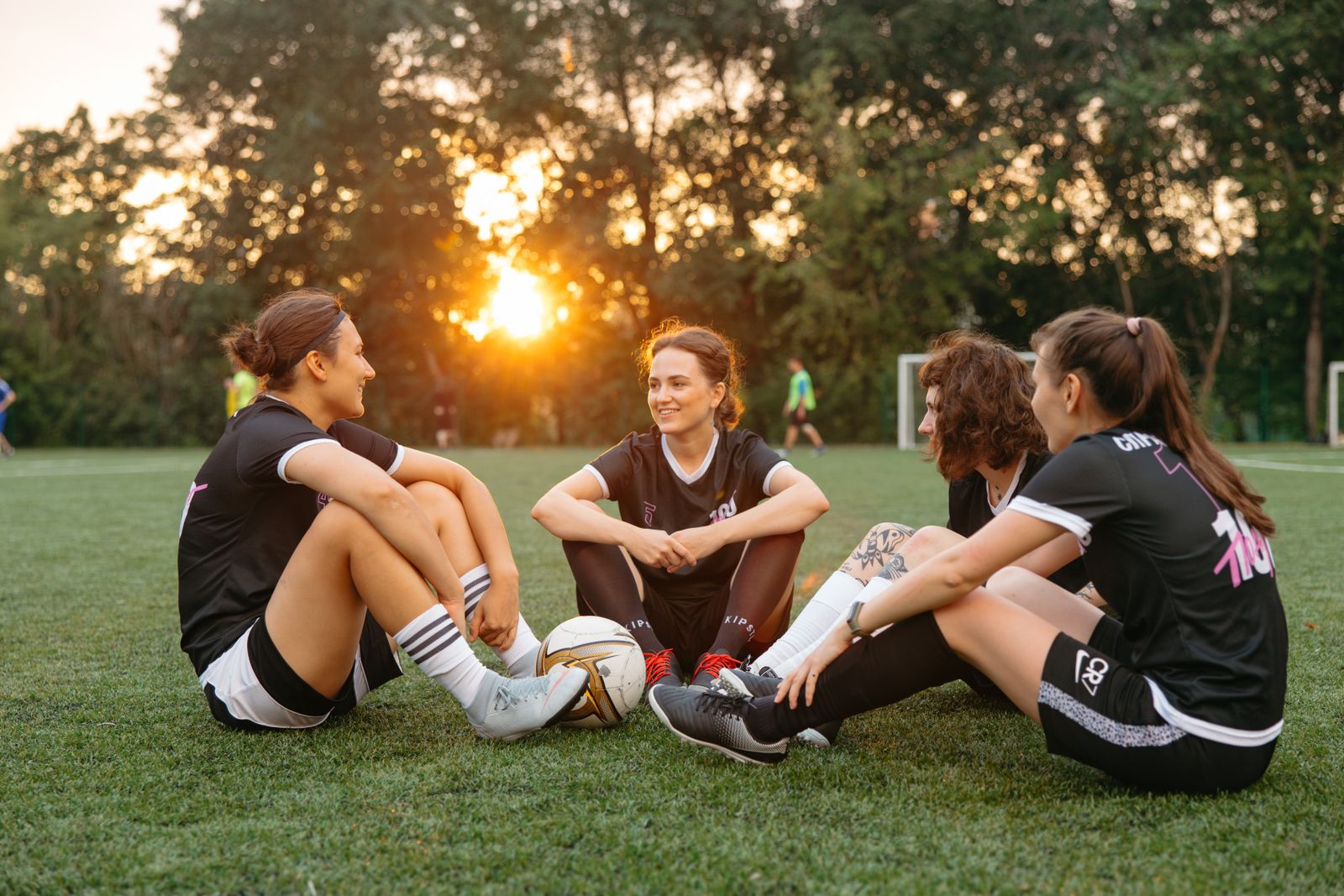
Photo by Kampus Production on Pexels
The Mentor on the Move project has created an Online Training Course to provide knowledge and tools that help ensure safety and protection in inclusive sports programmes, with a particular focus on women with migrant backgrounds and other women in vulnerable situations. Even though I was already somewhat aware of these topics, I was surprised to discover new perspectives through this simple and accessible tool. The course is visually engaging, with images and tables, and it also feels interactive thanks to exercises that allow readers to check their understanding and take an active role in the learning process.
Although the course is primarily designed for programme coordinators, mentors, and club or NGO partners, it is also a valuable resource for a much wider audience. It can be useful for anyone interested in improving sport-based mentoring programmes and learning more about the challenges refugee and migrant women may face when arriving in a new country. The course offers a broad and practical understanding of barriers that are often economic, cultural, gender-related, and social. Some of these barriers, such as childcare responsibilities, can easily remain invisible to those who have not experienced them directly.
Through practical learning modules that can be explored independently according to individual interests, the course introduces concrete methods and behaviours that mentors can apply in practice. There are quizzes, exercises, reflective questions, and templates that can be used with mentees. These elements are especially valuable because they help transform theory into practical action. Role-play activities also support understanding of how to respond to different situations throughout a mentoring cycle, from recruitment and relationship-building to closure and onward pathways. They also help readers outside the main target group understand the realities, responsibilities, and complexity of mentoring work.
A strong focus is placed on the relationship between sport, well-being, and women’s empowerment. Every action of the mentor matters, especially communication. Mistakes are human, and the best way to address them is with empathy and care. It is important that the mentee feels safe, welcomed, and genuinely considered. Plans may need to be adjusted depending on the mentee’s needs; for example, when someone is quiet, it is essential to give her time and show that she is seen and supported. At the same time, mentors must recognise their own limits and avoid creating dependency. They need to communicate these boundaries clearly, even when this is not easy. One of the key lessons for me was that meaningful mentoring should not feel like it simply stops when the formal cycle ends. Planning for continuity helps create lasting value and gives deeper meaning to the whole process.
If you would like to learn more about the Mentor on the Move Online Training Course, or if you are interested in taking the course yourself, please visit the course page here .